Capturing the wonders of the Universe
Where Stars Tell Their Story
Beneath the starry Aegean sky, our astrophotography sessions invite you to capture the magic of the cosmos.
Guided by our team, you’ll photograph distant galaxies, glowing nebulae, and constellations that have inspired humankind for centuries.
Each image becomes a personal memory of the night — a moment when you reached for the stars and caught their light.
Our Projects
M31 – Andromeda Galaxy
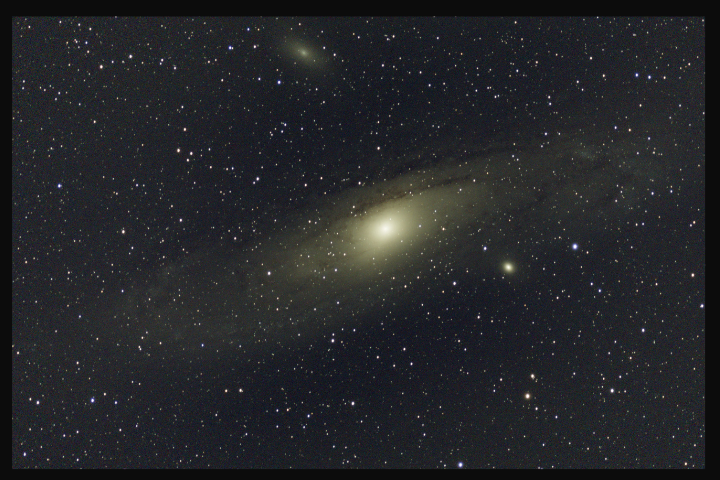
ZWO SeeStar 50 | f/5, ISO 80, total exp. 4680s, 428 stacked frames, 250mm
24 Aug. 2025 | Spetses island
Captured under the clear Aegean sky, the Andromeda Galaxy — our closest galactic neighbour — stretches majestically across 220,000 light-years.
Home to over a trillion stars, it offers a glimpse of what our own Milky Way might look like from afar.
Travelling light from M31 began its journey toward us 2.5 million years ago, long before humankind first gazed at the stars.
The faint spiral arms, glowing with soft blues and pinks, reveal regions of active star formation.
Photographing it feels like capturing time itself — a bridge between galaxies, and between past and present.
M51 – Whirlpool Galaxy
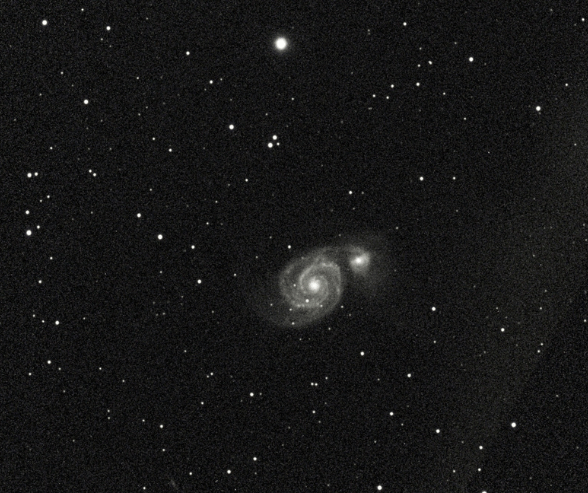
ZWO SeeStar 50 | f/5, ISO 80, total exp. 2880, 241 stacked frames, 250mm
04 Sep. 2025 | Spetses island
This iconic spiral galaxy, 23 million light-years away, is a breathtaking portrait of cosmic motion.
Known as the Whirlpool, M51 interacts with its smaller companion galaxy, NGC 5195, creating the grand spiral arms visible even through modest telescopes. These glowing arms are rich with hydrogen clouds and newborn stars, swirling in a graceful celestial dance.
Under the dark Aegean night, our image reveals the delicate structure and colour of this galactic encounter — a moment frozen in deep time, where gravity sculpts beauty from chaos.
M81 & M82 – Galactic Companions

ZWO SeeStar 50 | f/5, ISO 80, total exp. 5440, 496 stacked frames, 250mm
04 Sep. 2025 | Spetses island
In a single frame, M81 and M82 — two neighbouring galaxies in Ursa Major — showcase the universe’s diversity.
M81, a grand spiral 12 million light-years away, radiates calm symmetry and brilliant starlight.
Just above it, M82 blazes with turbulent energy, its core bursting with star-forming regions and filaments of glowing gas. Their mutual gravitational pull has shaped both galaxies over millions of years.
Capturing them together under the Aegean night sky reveals a rare harmony — serenity and upheaval, order and creation, side by side in the vastness of space.
M13 – The Great Hercules Cluster
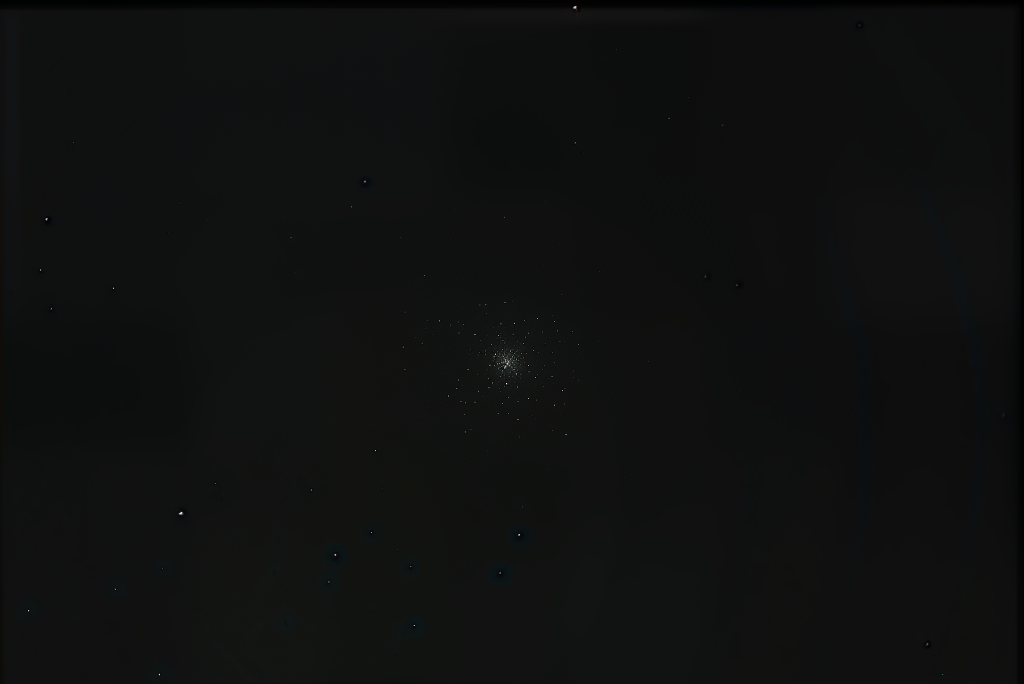
HORTelescope | 83 frames (Gain 100), total exp. 2hr 46min, Dark: 2 frames (Gain 100), exp. 2min
30 Jul. 2023
One of the finest globular clusters in the northern sky, M13 shimmers with over 300,000 ancient stars packed into a dense, spherical core.
Located 25,000 light-years away, it has witnessed nearly the entire history of our galaxy.
To the naked eye, M13 appears as a faint blur in Hercules; through our telescope and camera, it becomes a glittering city of suns — each point a story billions of years old.
Photographing M13 is like peering into cosmic antiquity, a reminder of how small yet connected we are within the galactic web of light.
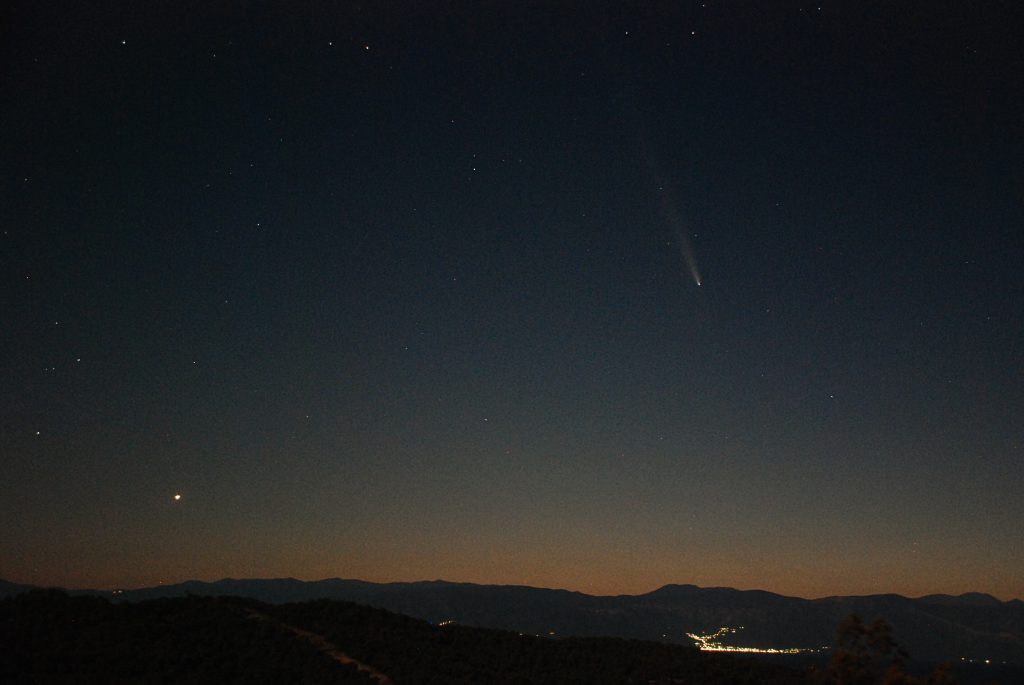
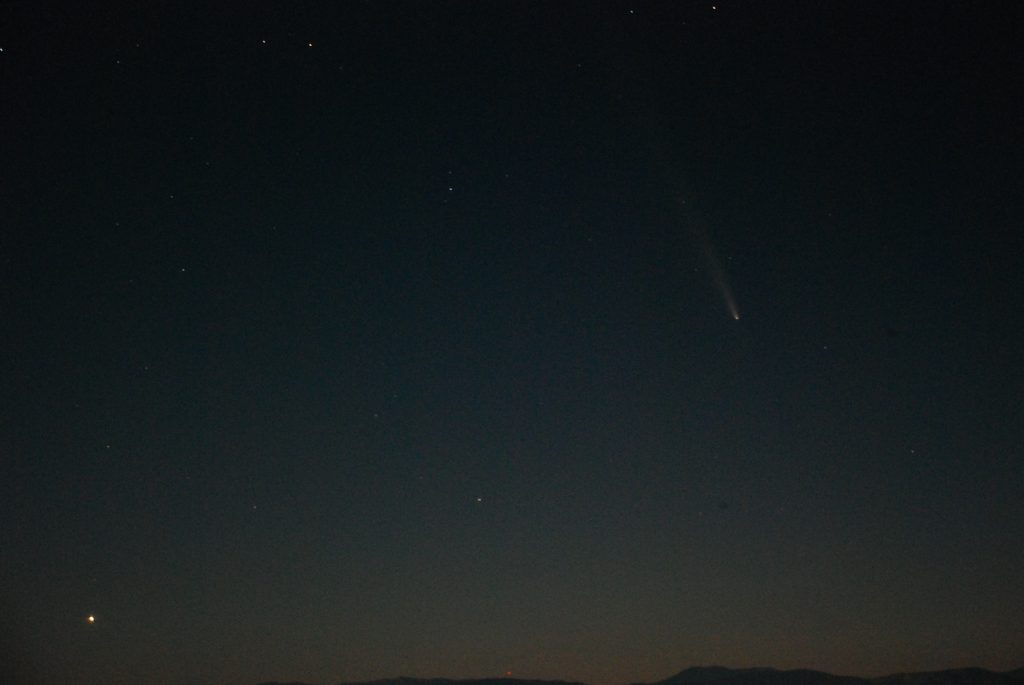
Comet C/2023 A3 (Tsuchinshan–ATLAS)
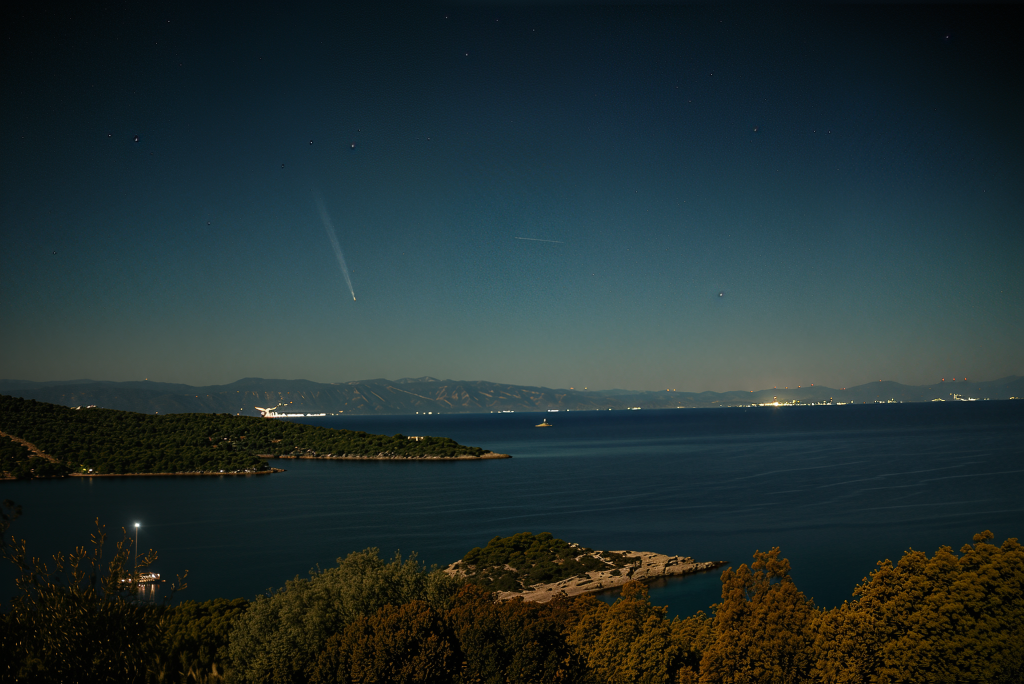
Nikon D80, f/4.5, ISO-100, 15sec, 20mm
16 Oct 2024 | Zogeria, Spetses
From the distant Oort Cloud came a wanderer — Comet C/2023 A3 (Tsuchinshan–ATLAS) — a frozen relic from the dawn of the Solar System.
As it approached the Sun in 2024, it flared into brilliance, its long tail stretching across the twilight sky. For a few fleeting nights, it became a spectacle of light and motion, visible even to the unaided eye in some regions.
Capturing its image was a rare privilege: to photograph an object that may not return for hundreds of thousands of years, a messenger from the edges of creation passing briefly through our skies.