Stargazing Experience
Recommended 100% by Travellers
Since 2021, the Aegean Astronomy Club has been guiding travellers on 5-star Stargazing Adventures.
Blending classic telescopes with cutting-edge astrophotography equipment and engaging storytelling, we create moments that both educate and inspire.
It’s a journey where mythology meets science — and the cosmos reveals its magic!
Astro Calendar | March–October 2026
The most remarkable sky events of Summer 2026
From meteor showers and full moons, including May’s double full moon, to striking planetary alignments. The season also brings photogenic nebulae into prime view and the magnificent Galactic Centre rising high in the summer night sky. A curated guide to the most memorable celestial highlights of the season.
-
- Source: https://in-the-sky.org/
- The Moon will be located on the opposite side of the Earth as the Sun and its face will be fully illuminated.
- The Moon will locate on the same side of the Earth as the Sun and will not be visible in the night sky. This phase occurs at 01:26 UTC. This is the best time of the month to observe faint objects such as galaxies and star clusters because there is no moonlight to interfere.
-
-
-
- The March equinox occurs at 14:45 UTC. The Sun will shine directly on the equator and there will be nearly equal amounts of day and night throughout the world. This is also the first day of spring (vernal equinox) in the Northern Hemisphere and the first day of fall (autumnal equinox) in the Southern Hemisphere.
-
- The Pleiades, also known as Seven Sisters is an asterism of an open star cluster containing young B-type stars in the northwest of the constellation Taurus.
- One of the nearest open clusters to Earth, the Beehive Cluster, also known as Praesepe is an open cluster in the constellation Cancer. It contains a larger population of stars than other nearby bright open clusters holding around 1,000 stars.
-
-
-
-
- The Moon will be located on the opposite side of the Earth as the Sun and its face will be fully illuminated. This phase occurs at 02:13 UTC. This full moon was known by early Native American tribes as the Pink Moon because it marked the appearance of the moss pink, or wild ground phlox, which is one of the first spring flowers.
-
M94 (mag 8.2), a spiral galaxy in Canes Venatici will be well placed in the evening sky on 4 April, as it will reach its highest point in the sky at around midnight local time.
-
Sat, 18 Apr – Messier 3 is well placed
-
Fri, April 17 – New Moon
- The Moon will located on the same side of the Earth as the Sun and will not be visible in the night sky. This phase occurs at 11:54 UTC. This is the best time of the month to observe faint objects such as galaxies and star clusters because there is no moonlight to interfere.
- The Lyrids is an average shower, usually producing about 20 meteors per hour at its peak. It is produced by dust particles left behind by comet C/1861 G1 Thatcher, which was discovered in 1861. The shower runs annually from April 16-25. It peaks this year on the night of the night of the 22nd and morning of the 23rd.
-
The Moon and Jupiter will share the same right ascension, with the Moon passing 3°33′ to the north of Jupiter. The Moon will be 5 days old. At around the same time, the two objects will also make a close approach, technically called an appulse.
-
The Moon reaches first quarter phase – appearing high in the sky at sunset and remaining visible until around midnight.
-
The Moon reaches full phase and is visible for much of the night.
-
Sun, 10 May – Moon at Last Quarter
-
The Moon reaches last quarter phase – rising in the east at around midnight and appearing high in the sky by sunrise.
-
The globular cluster M5 (NGC 5904; mag 5.7) in Serpens will be well placed in the evening sky. On 12 May it will reach its highest point in the sky at around midnight local time.
-
The Moon and Venus will share the same right ascension, with the Moon passing 2°56′ to the north of Venus, in the constellation Taurus. From Athens, the pair will become visible at around 20:49 (EET), 23° above your western horizon, as dusk fades to darkness. They will then sink towards the horizon, setting 2 hours and 32 minutes after the Sun at 23:03.
-
The Moon and Jupiter will share the same right ascension, with the Moon passing 3°05′ to the north of Jupiter. From Athens, the pair will become visible at around 20:50 (EET), 39° above your western horizon, as dusk fades to darkness. They will then sink towards the horizon, setting 3 hours and 51 minutes after the Sun at 00:23.
-
One of the nearest open clusters to Earth, the Beehive Cluster, also known as Praesepe is an open cluster in the constellation Cancer. It contains a larger population of stars than other nearby bright open clusters holding around 1,000 stars.
-
The Moon will pass first quarter phase, appearing prominent in the evening sky and setting in the middle of the night.
-
This will be the second full moon of May 2026, making it a blue moon – a term used to describe any full moon which is the second to fall within a single month.
-
The Great Globular Cluster in Hercules (M13, NGC 6205; mag 5.8) will be well placed in the evening sky. On 2 June it will reach its highest point in the sky at around midnight local time.
-
The globular cluster M12 (NGC 6218; mag 6.1) in Ophiuchus will be well placed in the evening sky. On 3 June it will reach its highest point in the sky at around midnight local time.
-
As seen from Athens , Venus will reach its highest point in the sky in its 2026 evening apparition. It will be shining brightly at mag -4.3, reaching a peak altitude of 28° above the horizon at sunset on 5 Jun 2026.
-
The globular cluster M10 (NGC 6254; mag 6.6) in Ophiuchus will be well placed in the evening sky. On 6 June it will reach its highest point in the sky at around midnight local time.
-
Venus and Jupiter will share the same right ascension, with Venus passing 1°38′ to the north of Jupiter. From Athens, the pair will become visible at around 21:05 (EET), 23° above your western horizon, as dusk fades to darkness. They will then sink towards the horizon, setting 2 hours and 31 minutes after the Sun at 23:17.
-
The globular cluster M92 (NGC 6341; mag 6.5) in Hercules will be well placed in the evening sky. On 11 June it will reach its highest point in the sky at around midnight local time.
-
Wed, 17 Jun – Conjunction of the Moon and Jupiter
-
Fri, 19 Jun – The cluster IC 4665 is well placed
-
Sun, 21 Jun – June solstice
-
Wed, 24 Jun – The Lagoon Nebula is well placed
-
Tue, 30 Jun – The cluster NGC 6633 is well placed
-
Tue, 30 Jun – Full Moon
-
The Moon will reach full phase. At this time of the month, it is visible for much of the night, rising at around dusk and setting at around dawn.
-
The globular cluster M22 (mag 5.2) in Sagittarius, near the Galactic centre, will be well placed in the evening sky. From Athens, it is visible between 23:05 and 03:37. It will become accessible at around 23:05.
-
The Earth’s annual orbit around the Sun will carry it to its furthest point from the Sun – its aphelion – at a distance of 1.0166 AU.
-
The Moon and Venus will share the same right ascension, with the Moon passing 2°01′ to the south of Venus. The Moon will be 3 days old.
From Athens, the pair will become visible at around 21:04 (EET), 21° above your western horizon, as dusk fades to darkness. They will then sink towards the horizon, setting 2 hours and 11 minutes after the Sun at 22:57.
-
The Buck Moon
-
Comet 10P/Tempel is forecast to reach the brightest point in its 2026 apparition on 3 August. From Athens on 3 August it will be visible between 00:45 and 04:18. It will become accessible at around 00:45.
-
The Moon and Saturn will share the same right ascension, with the Moon passing 6°57′ to the north of Saturn. The Moon will be 21 days old. From Athens, the pair will be visible in the morning sky, becoming accessible around 00:15.
-
The Perseid meteor shower will be active from 17 July to 24 August, producing its peak rate of meteors around 13 August. Over this period, there will be a chance of seeing Perseid meteors whenever the shower’s radiant point – in the constellation Perseus – is above the horizon, with the number of visible meteors increasing the higher the radiant point is in the sky. From Athens the shower will be active throughout the night.
-
The globular cluster M15 (NGC 7078; mag 6.3) in Pegasus will be well placed in the evening sky. On 14 August it will reach its highest point in the sky at around midnight local time. From Athens, it is visible all night. It will become visible at around 21:26 (EET).
-
The globular cluster M2 (NGC 7089; mag 6.6) in Aquarius will be well placed in the evening sky in coming weeks. On 15 August it will reach its highest point in the sky at around midnight local time. From Athens, it is visible in the evening sky, becoming accessible around 21:24 (EET).
-
The Sturgeon Moon
The Moon will reach full phase. At this time of the month, it is visible for much of the night, rising at around dusk and setting at around dawn.
-
The Moon and Saturn will share the same right ascension, with the Moon passing 7°02′ to the north of Saturn. The Moon will be 19 days old.
From Athens, the pair will be visible in the morning sky, becoming accessible around 22:26.
-
The September ε-Perseid meteor shower will be active from 5 September to 21 September, producing its peak rate of meteors around 9 September. Seen from Athens, the shower will not be visible before around 20:35 each night.
-
Venus will reach its greatest brightness in its 2026 evening apparition. It will be shining brightly at mag -4.6. From Athens, this apparition will not be one of the most prominent but prominent, reaching a peak altitude of 28° above the horizon at sunset on 5 Jun 2026.
-
The Harvest Moon
The Moon will reach full phase. At this time of the month, it is visible for much of the night, rising at around dusk and setting at around dawn.
-
The Moon and Saturn will share the same right ascension, with the Moon passing 6°55′ to the north of Saturn. The Moon will be 16 days old.
From Athens, the pair will be visible in the morning sky, becoming accessible around 20:36.
-
The Andromeda Galaxy M31 (mag 3.4) will be well placed in the evening sky. From Athens, it is visible all night. It will become visible at around 20:06 (EET).
-
Saturn will reach opposition – the optimal time to observe it, when it will be visible for much of the night in the constellation Cetus.
From Athens, it will be visible between 20:07 and 06:30. It will become accessible at around 20:07.
-
The Draconid meteor shower will be active from 6 October to 10 October, producing its peak rate of meteors around 9 October. From Athens the radiant point is circumpolar, which means it is always above the horizon and the shower will be active throughout the night.
-
The Triangulum Galaxy M33 (mag 5.8) will be well placed in the evening sky. From Athens, it is visible all night. It will become visible at around 19:48 (EET).
-
The Hunter’s Moon
Stargazing Experience – Highlights

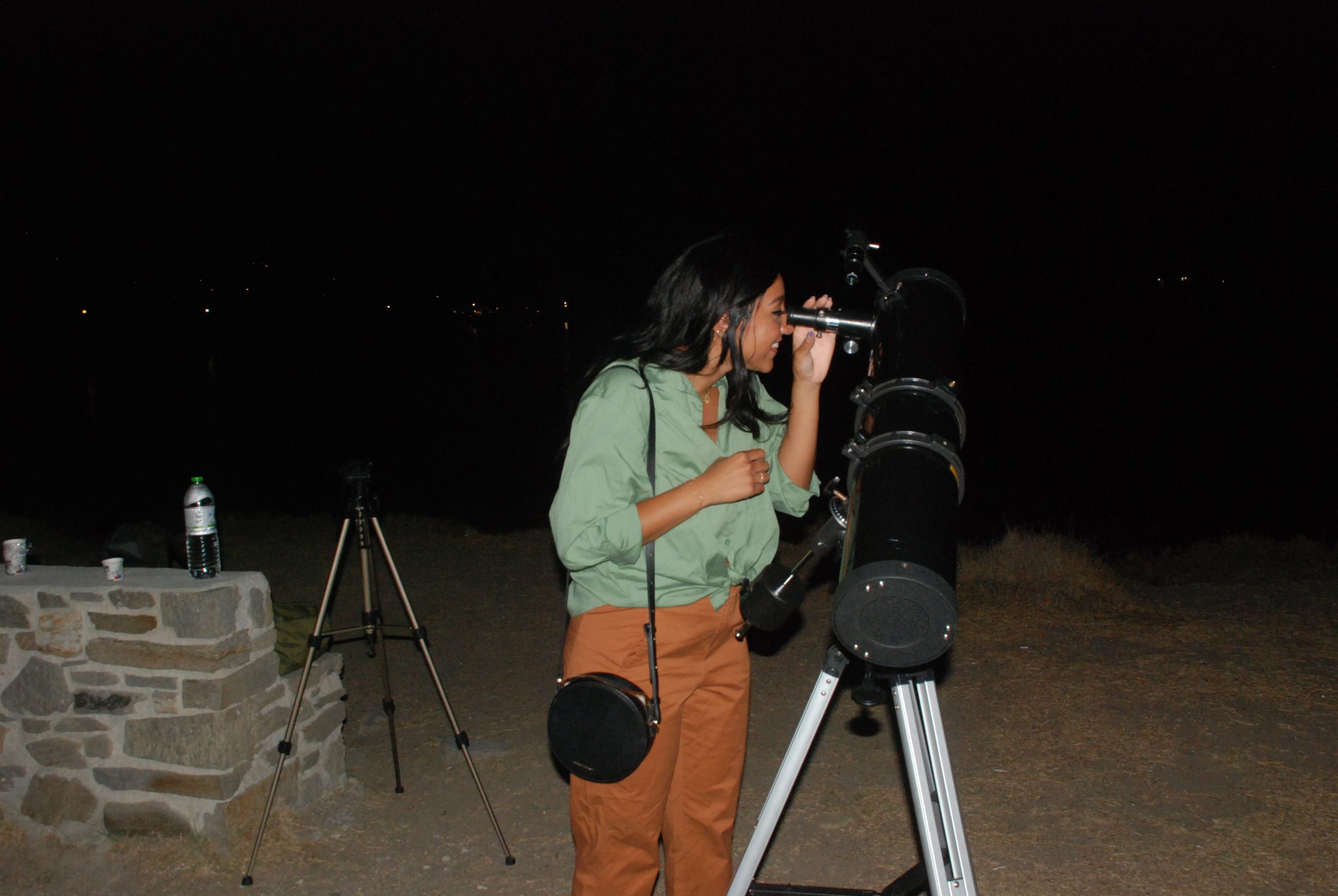
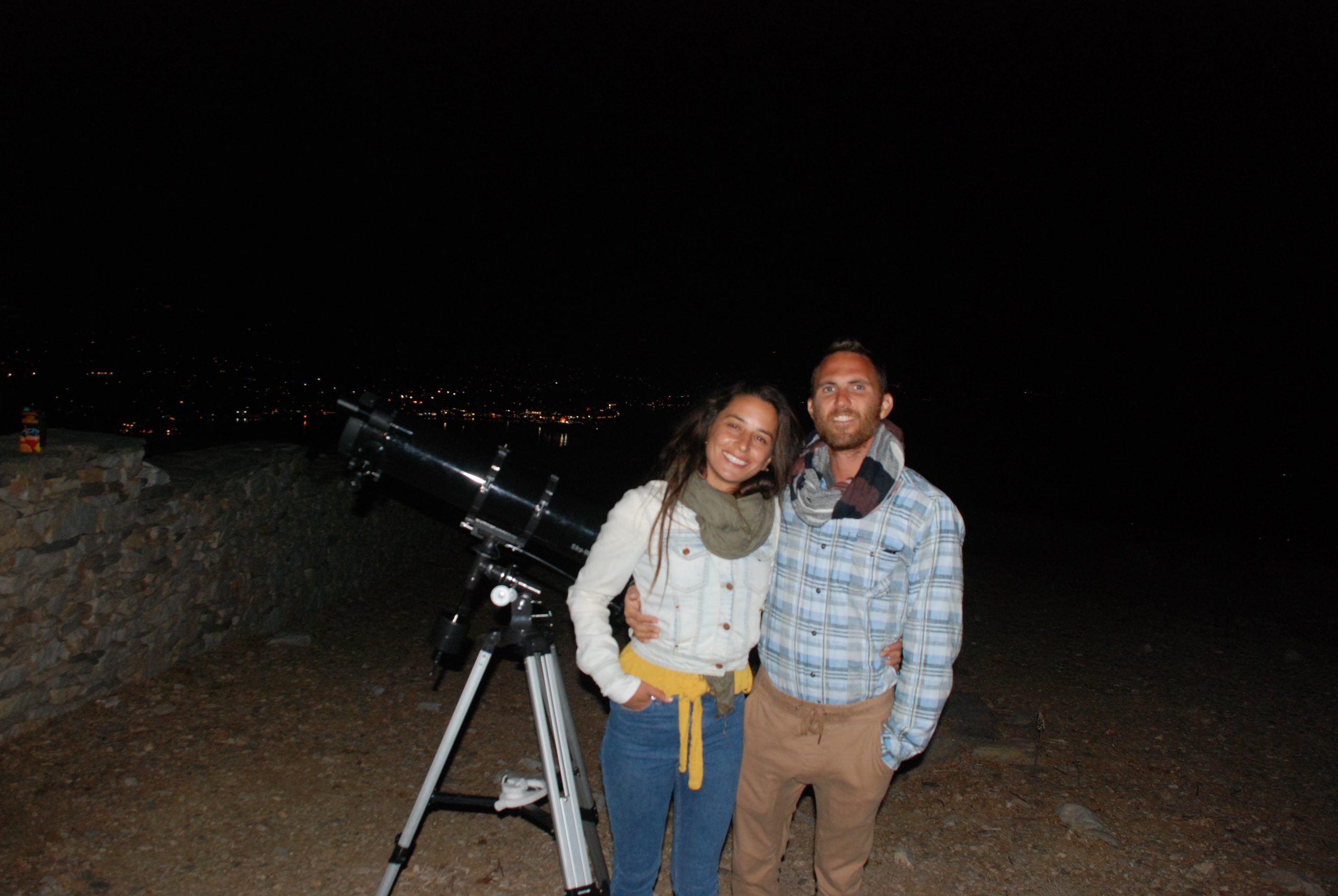
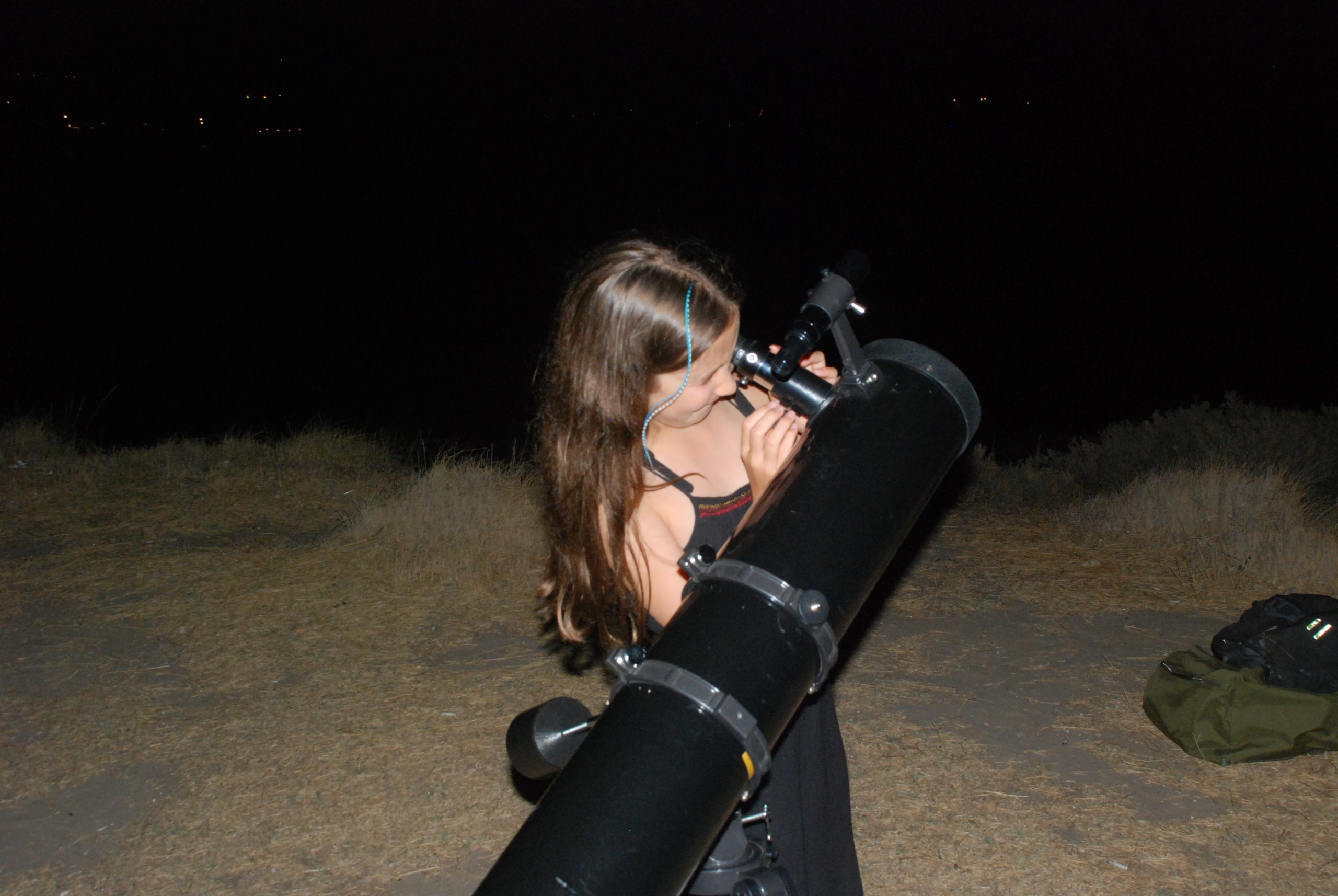
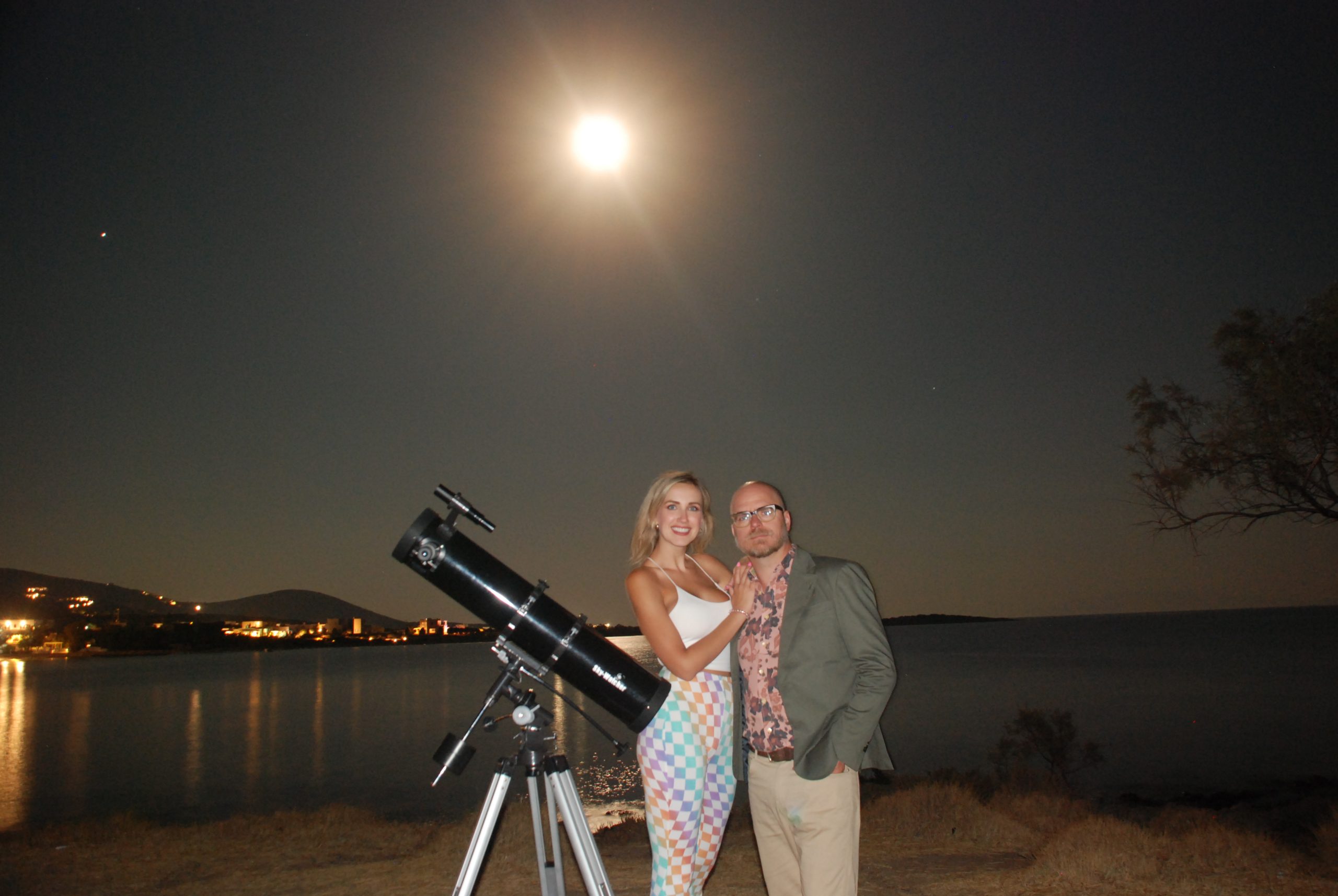
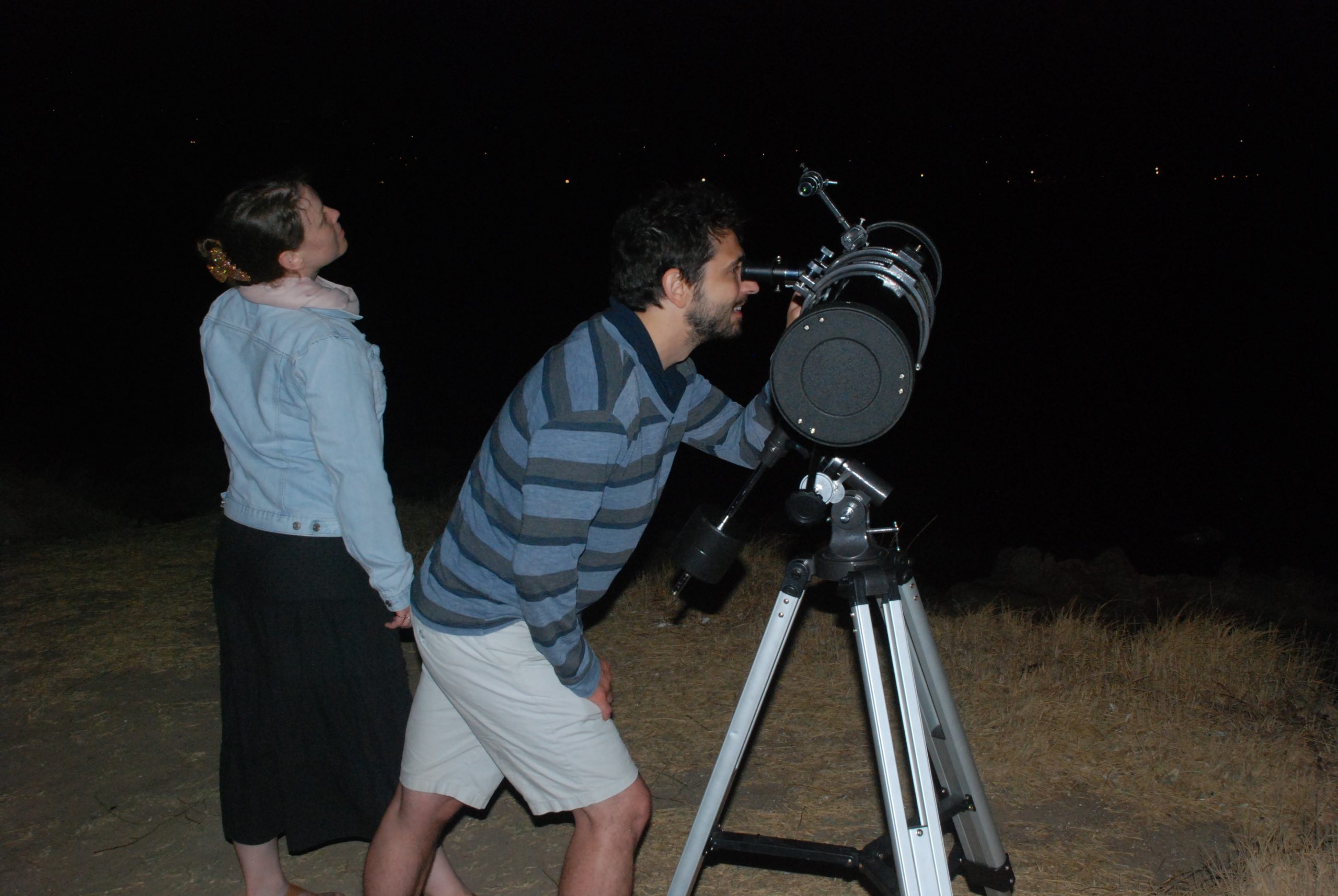
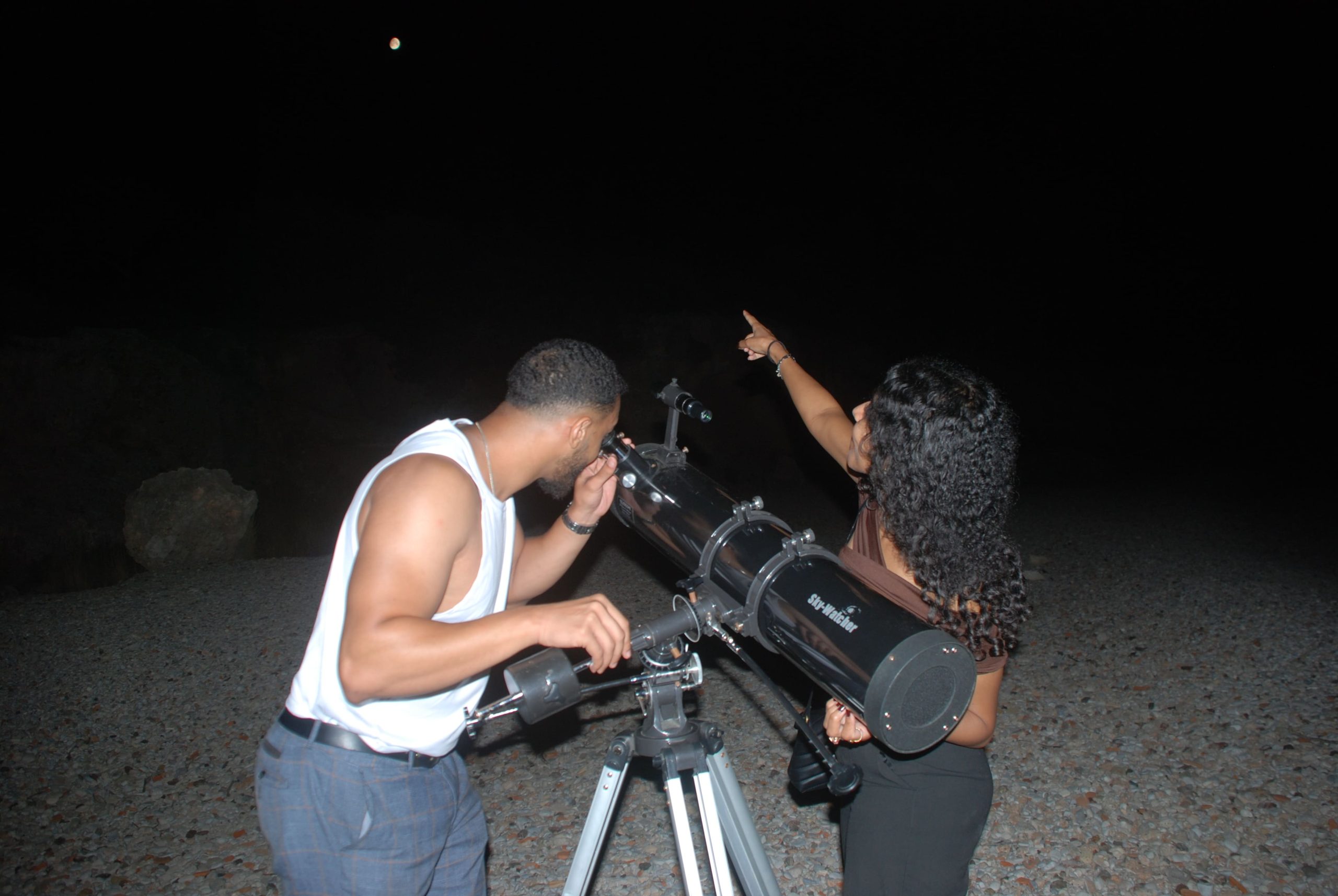
- 1.5 hours under the night sky: a guided journey through stars, constellations, and myths.
- Discover the life of stars: how they are born, shine, and fade away.
- Personalized astrophotography: choose your own target from a catalogue of 4.000 deep-sky objects, while our advanced telescope captures it in real time — a cosmic image that’s uniquely yours!
- Greek mythology comes alive: learn the stories hidden in the constellations.
- Hands-on astronomy: use telescopes to observe the Moon’s craters or Saturn’s rings.
- From ancient astronomy to the Big Bang: explore humanity’s journey to understand the universe.
More information or availability check TEXT us: +30 697 010 9625 (WhatsApp – Viber)
The Solar System revealed: planets, moons, and the latest discoveries in space exploration.

Emmanuel R
Unforgettable Experience
An unforgettable experience. From a secluded beach sheltered from light pollution, Panos shares his science and his passion for astronomy in very accessible English for non-English speakers. When darkness has set in, the journey into the stars ends with breathtaking telescope observations. A must-do, it is prudent to book.